


SUWADA S-S1 Stainless Steel Secateurs
Shipping calculated at checkout
In stock

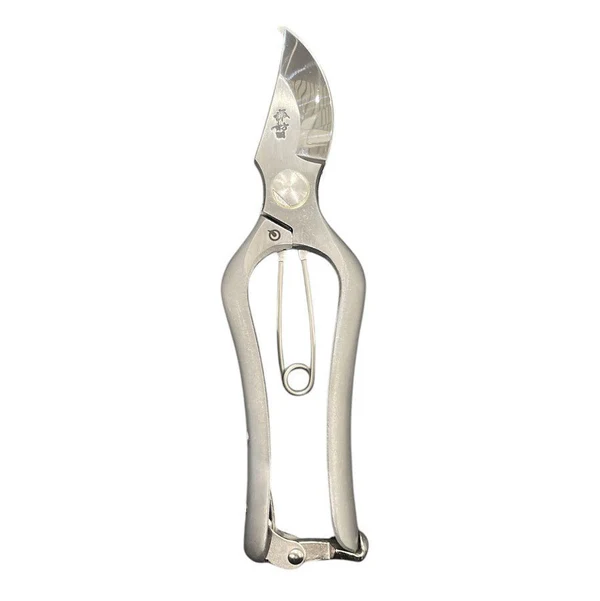
SUWADA Stainless Steel Secateurs S-S1
Japanese pruning secateurs made from high-carbon stainless steel for general garden work. The stainless construction offers greater resistance to rust than carbon-steel models while retaining a regular pruning format.
At 19 cm, the S-S1 is suited to live branches up to approximately 15 mm.
Information
- Material: High-Carbon Stainless Steel
- Made in Japan
Size
- 19 cm
Cutting capacity
- Live wood: up to approximately 15 mm
In the box
- One pair of SUWADA S-S1 Stainless Steel Secateurs
- Black blade cover
Choosing between stainless and carbon steel? Read our stainless vs carbon steel secateurs guide.
Garden tool profile
At a glance
Ownership & care
Made in Japan
Clean and dry after use. Stainless steel improves corrosion resistance but still benefits from regular care.
Compare secateurs
| Product |
This product
|
|
|
|
|---|---|---|---|---|
| Image | ||||
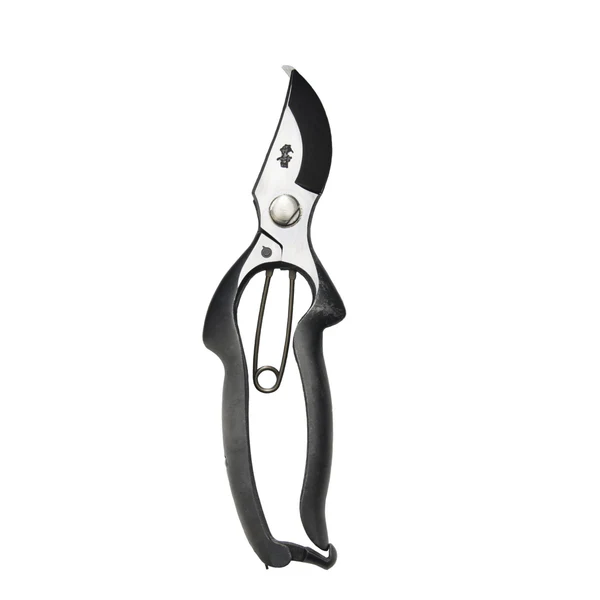
| Name | SUWADA S-S1 Stainless Steel Secateurs | SUWADA S-13W Classic Garden Secateurs | SUWADA S-14 Slim Garden Secateurs | Sakagen P-180 Pruning Shears |
| Price | $207.00 |
$136.00 |
$114.00 |
$52.00 |
| Availability | In stock now | In stock now | In stock now | In stock now |
| Purchase |
|
|
|
|
| Best for | General pruning | General pruning | General pruning | Everyday light pruning & fresh flowers |
| Form | General-purpose secateur | Angled | Slim angled form | 18 cm ergonomic pruning shears |
| Live-wood capacity | Up to ~15 mm | Up to ~15 mm | Up to ~15 mm | Up to ~10 mm |
| Handling | Full-size | Full-size | Slimmer profile | Light elastomer handles |
| Material | High-carbon stainless steel | High-carbon steel | High-carbon steel | SK5 carbon steel + fluororesin coating |
| Why choose it | Premium corrosion-resistant option | Balanced everyday choice | Similar capacity with a slimmer feel | Light, colourful and lower-priced Japanese pruning option |
| Purchase |
|
|
|
Choose options |


Comparison uses verified product specifications. First-party performance results are added only after SUWADA testing.
Questions about this tool
Should I choose carbon steel or stainless steel secateurs?
How should I clean and store Japanese secateurs?
Can Japanese secateurs be sharpened?
Experience true Japanese craftsmanship.

About Suwada
At Suwada, we have pursued aesthetic and functional excellence since 1926.
Whether we make a product ourselves or select it from a maker we trust, we look for thoughtful design, high quality and lasting usefulness — products that can make everyday life a little better.
Let customers speak for us

Wonderful product: good design, a pleasure to touch and to use, with flawless results. Thank you, Suwada!

Incredible product and craftsmanship. The clippers along with the case have a high quality feel and your nails feel smooth after each cut

As someone who has finally quit to bite and eat my nails, and who also happens to have OCD, this object is a part of the nest purchases I have made.

Perfect instrument worth every penny.


Beautiful teapot from Kogu. I saw this one while I was in Japan and fell in love with the design. The material is beautiful and the size is perfect. Also the packaging was lovely and shipping was very fast.


To be honest, I bought the case solely because it protects the nippers and fits them perfectly; I didn't bother looking for a different $5 option that would offer the same fit. Unlike the nippers—which are simply flawless—the case is vastly overpriced; the cost of three cases equals the price of one pair of nippers. Yet, the nippers represent sheer perfection and embody a huge amount of time and effort, whereas the case is just a piece of leather stitched together.

I spent a long time deciding whether to buy size S or L, so I ended up buying both. I had never used cutters like these before, but when I tried them out, I found the blades to be incredibly sharp and precisely aligned. The leverage mechanism works perfectly—there is absolutely no play, and everything fits together tightly. Having worked as a fitter for ten years, I appreciate tools that perform with precision and flawlessness; I even examined them under a magnifying glass and couldn't find a single defect—it is truly amazing that these cutters have been perfected to such a degree.
I am really happy with the Suwada Round Nail Clipper. The quality feels exceptional from the moment you hold it, and the precision is truly impressive. It cuts very cleanly and smoothly, which makes nail care feel much easier and more controlled.
What I like most is how accurate it is, especially around the edges of the nails. It gives a neat result without needing much effort. The design also feels solid, elegant and made to last.
Overall, I am very pleased with this nail clipper. It is definitely a premium product, but the precision, comfort and quality make it worth it for me.

Perfect craftsmanship. +They’re so sharp that they cut very smoothly (no snapping) and accurately. That’s the quality I love. The straight & pointy edge on this model is definitely the best for big toes nails. Consequently, the rest is a breeze.

The product performs with precision and ease. It’s saves time and efforts, but midst important, done properly it helps to not hurt you skin.
What customers think about the store
The store offers exceptional Japanese-crafted tools with outstanding quality and precision. Customers praise excellent craftsmanship, sharp cutting performance, and durability. Products include nail clippers, scissors, kitchen tools, and teapots. Service is pr...

